article
How AI Actually Evolved in 2025
2023 made AI impossible to ignore. 2024 was for experimenting. 2025 was the year AI started calling the shots — reshaping operating models, hiring, and the work itself.
By Talent Crunch Berlin · 2025-12-17
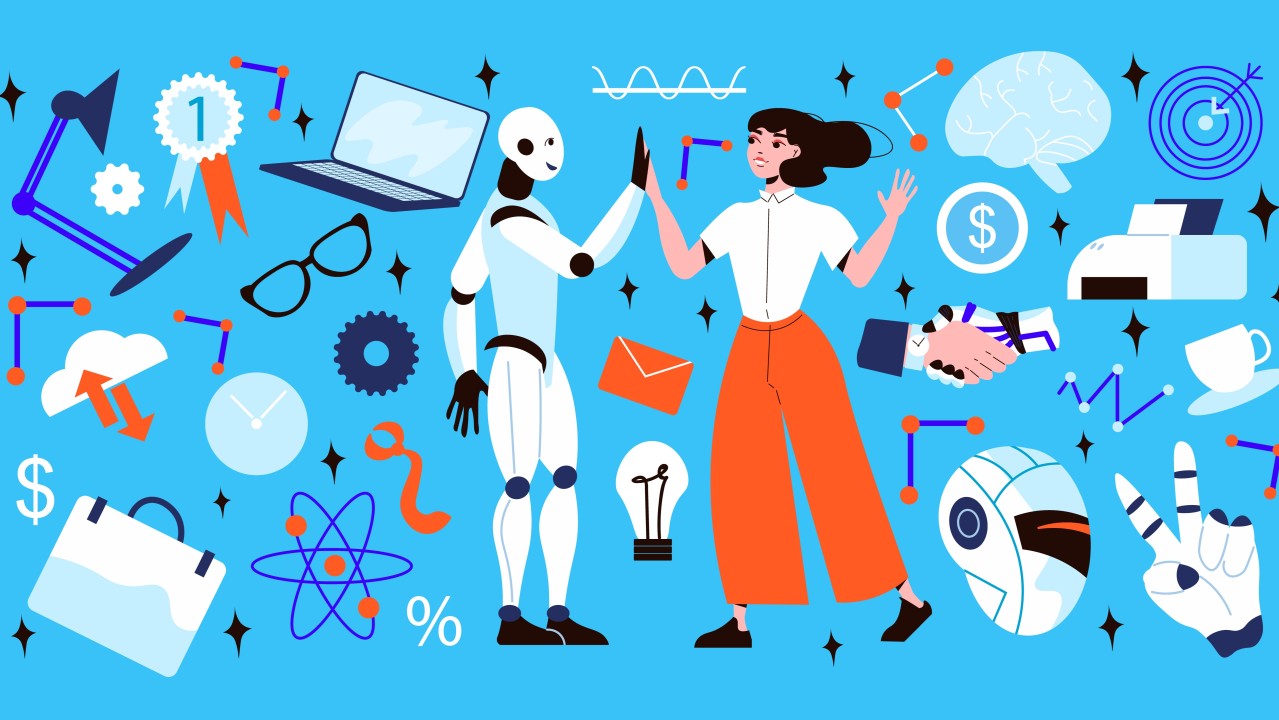
2023 was the year AI made itself impossible to ignore.
2024 was the year organizations began experimenting with it.
And 2025 was the year AI started to call the shots, whether leaders felt ready or not.
This process was not a coincidence. In fact it aligns with what McKinsey & Company leaders described in their 2025 end-of-year Spark reflections: AI is no longer a side initiative. AI is now reshaping operating models, investment decisions, and leadership priorities in real time. Nearly 88% of organizations now report using AI in at least one function — a substantial jump from prior years.
It wasn't just AI that changed this year. The way we work did too.
When AI started doing the work
From generative to agentic, organizations got tired of asking chatbots for help and started giving AI actual responsibilities.
AI went from drafting content and following prompts, to sourcing candidates, screening profiles, scheduling interviews, chasing approvals, and quietly fixing the things humans forgot to do. In fact, about 62% of firms were experimenting with agentic AI by 2025, and roughly 23% had begun scaling these systems in at least one function.
Despite the dramatic headlines and the panic, it is clear AI is not here to replace us, but to elevate us:
- Machines can handle coordination, follow-ups, and execution.
- So humans can focus on judgment, relationships, and what matters most: people.
AI was everywhere, even when we didn't call it AI
AI didn't stay in the office. It became part of everyday life, invading social feeds, customer support, creative tools, recommendations… the list is long.
AI adoption numbers look great on paper, but they don't reflect the reality. Inside organizations, adoption split into two very different paths:
- Large companies pushed AI into core workflows, where it actually had to perform.
- Executives couldn't stop talking about it — partly because markets rewarded the narrative, and partly because saying nothing about AI had started to look like falling behind.
AI seems to be the key to the future, but if we want to achieve more than good numbers, we need to look beyond the narrative and analyze the impact on people and organizations.
The economic reality: AI's real cost
Using AI feels easy. Building it isn't. Every interaction is backed by huge spending on hardware, data centers, and power — and that's redefining the economics of tech.
AI didn't win in 2025 because of better software. It won because humans adopted it.
Skills finally became a technical reality
For years, "skills-based organizations" sounded great in theory and messy in practice. Lots of frameworks and very little impact.
Skills weren't missing, they were invisible to the system. And because writing skills down couldn't capture real work, in 2025 we stopped asking people to describe their skills and let AI learn from what they actually did.
And what happened?
Talent visibility improved. Internal mobility became possible. Workforce planning finally became more reliable. McKinsey finds that most AI-adopting companies are already retraining employees, and 83% expect reskilling to be necessary within three years.
Regulation enters the room
2024 was about preparing for regulation. 2025 was when it became real. With the EU AI Act in force, clarity and bias mitigation became essential. Some AI hiring tools left entire markets. Others slowed down, added safeguards, and focused on staying compliant. Efficiency is no longer the most important requirement — trust is.
As we move into 2026, we're no longer asking what AI can do — we already know.
The real question is what humans should keep doing. Building relationships. Making decisions. Exercising judgment.
Everything that only we can truly do.
The rest? That's still a work in progress for AI.
#ai #agentic-ai #hr-tech #future-of-work #skills #regulation